


12 min read
Sri Lanka Travel Guide for First-Time Visitors
Everything you need to know before your first trip – visas, getting around, currency, cultural etiquette and the must-see experiences.
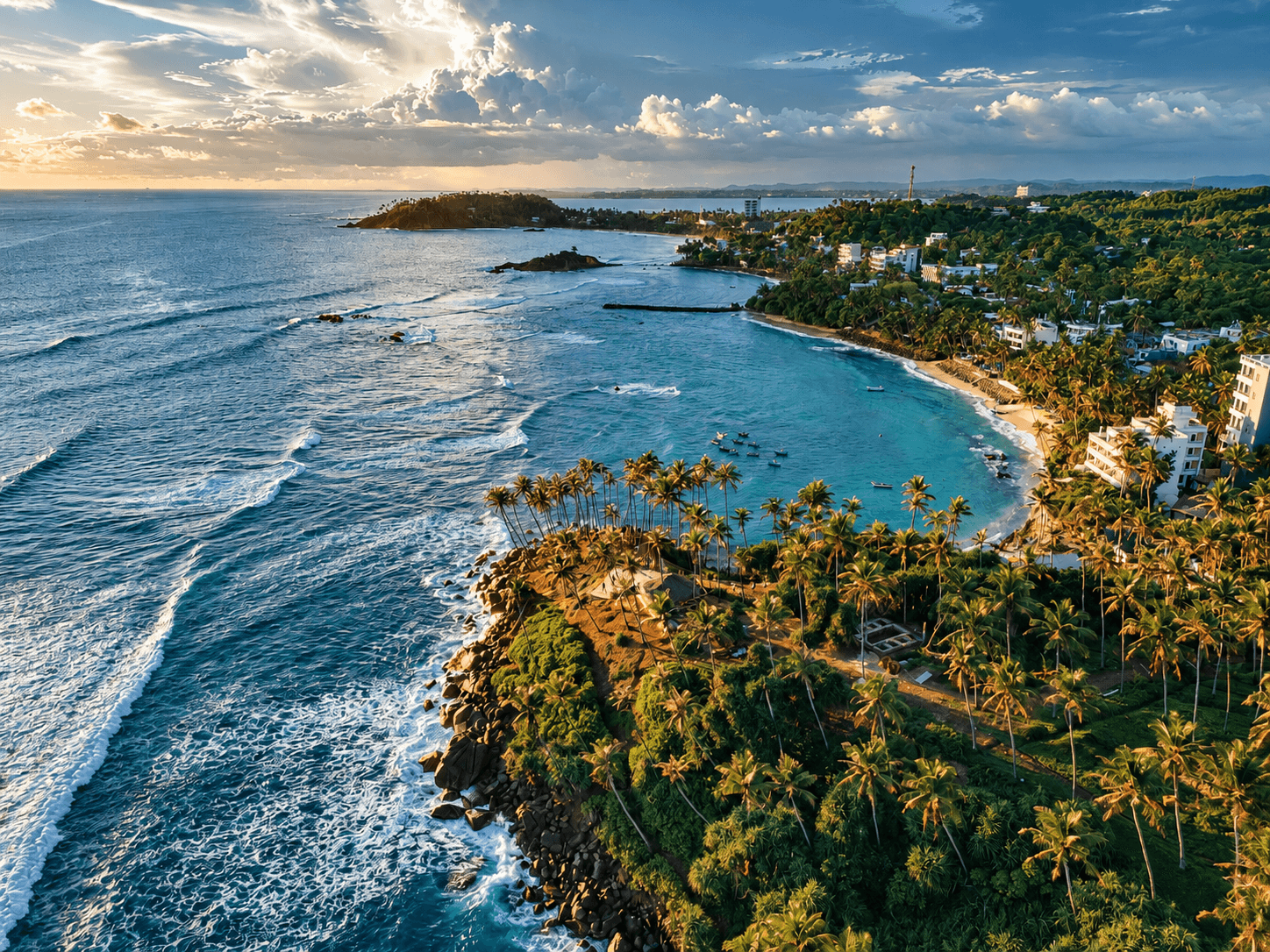
Sri Lanka is one of the most rewarding countries in Asia for first-time visitors. It is compact, extraordinarily diverse and genuinely welcoming. Within a single week you can stand on a 5th-century rock fortress, sip tea on a misty plantation and watch a leopard slip through tall grass at dusk. This guide covers everything you need before you land.
Visas & Entry Requirements
Most nationalities require an Electronic Travel Authorisation (ETA) to enter Sri Lanka, which you apply for online before travelling. The tourist ETA is valid for 30 days and can be extended at the Department of Immigration in Colombo. Apply through the official Sri Lanka government ETA portal and make sure the name on your ETA matches your passport exactly. The process takes anywhere from a few minutes to 24 hours, so don't leave it to the morning of your flight.
Getting Around Sri Lanka
Sri Lanka is a small island – 65,610 km² – but the roads can be slower than a map suggests. The iconic Colombo–Kandy road, for example, covers just 116 km but takes 3–4 hours by car. For first-time visitors, the most comfortable and flexible way to explore is with a private driver. You travel at your own pace, stop wherever you want and have a knowledgeable local beside you who can handle logistics, recommend restaurants and navigate road conditions.
The scenic train network is also wonderful for specific routes – the Kandy to Ella route through the hill country is widely described as one of the most beautiful train journeys in the world. Book train tickets in advance, especially for 1st and 2nd class observation seats on the Kandy–Ella line.
Currency, Money & Tipping
Sri Lanka's currency is the Sri Lankan Rupee (LKR). ATMs are widely available in cities and tourist areas but rare in remote locations, so carry enough cash when venturing off the beaten track. Most guesthouses and smaller restaurants are cash-only, while larger hotels and restaurants in tourist hubs accept card payments.
Tipping is appreciated but not compulsory. A typical tip for a full-day private driver is LKR 1,000–2,000 per day. At restaurants, 10% is generous. Never feel pressured to tip beyond what you are comfortable with.
Cultural Etiquette & Temple Visits
Sri Lanka is a predominantly Buddhist country and temple etiquette is taken seriously. Remove your shoes before entering any temple or shrine and dress modestly – shoulders and knees must be covered. Many major temples provide sarongs to borrow. Never turn your back to a Buddha statue for photos and be respectful of worshippers, especially during prayer times.
The Sri Lankan head wobble can be confusing for first-time visitors. A side-to-side head nod often means 'yes' or 'I understand' rather than 'no', so don't be alarmed when someone confirms your booking with what appears to be a shake of the head.
Food & Drink
Sri Lankan cuisine is bold, aromatic and built around rice, coconut and spice. A typical local meal is rice and curry – a plate of white rice surrounded by several small curries: dhal (lentil), fish or chicken, a coconut sambol, a papadum and vegetables. The food is generally spicier than Indian food, so if you are sensitive to heat, ask for 'less spice' when ordering.
Breakfast in Sri Lanka is a delight in itself. String hoppers, hoppers and pol roti with dhal are morning staples. Try them at least once at a local restaurant rather than the hotel buffet for an authentic experience. Drink bottled or filtered water, and enjoy fresh king coconut juice (thambili) and fresh fruit juices throughout the day.
Must-See Experiences for First-Timers
Climbing Sigiriya Rock is the single most iconic thing to do in Sri Lanka. The 5th-century fortress rises 200 metres from the jungle floor and the views from the top are extraordinary. Go early in the morning to beat the heat and the crowds.
The Temple of the Tooth in Kandy is Sri Lanka's most sacred Buddhist site. The evening puja ceremony at 6:30pm, accompanied by the sound of drums and flutes, is deeply atmospheric and open to visitors.
A safari in Yala National Park is almost mandatory. With the world's highest density of leopards per square kilometre, your chances of a sighting are excellent. Book a jeep safari that starts at dawn for the best wildlife activity.
The nine-arch bridge at Ella is the most photographed landmark in Sri Lanka's hill country. Position yourself on the viewing path and wait for the blue train to pass across the viaduct – your driver or guesthouse will know when the next one is due.
Practical Tips
Pack light cotton or linen clothing for the lowlands and coastal areas, and a light layer for the hill country evenings. Sun protection is essential even on cloudy days given the tropical latitude. A good insect repellent is advisable near national parks and rice paddies. Most importantly, carry a portable power bank – long driving days between attractions mean you'll want your phone charged for photos.
More from theTravel Journal


Ready to ExperienceSri Lanka?
Tell us where you want to go, what you love and how long you have. We'll help turn it into a journey worth remembering.