


8 min read
Best Time to Visit Sri Lanka
Two monsoons, two coastlines and a hill country that is cool all year – here is how to pick the right months for the trip you want.
Sri Lanka sits just eight degrees north of the equator, which means sunshine is almost always on offer somewhere on the island. But the country is shaped by two distinct monsoon systems – the south-west monsoon (Yala) and the north-east monsoon (Maha) – and knowing when each one arrives is the single most useful thing you can learn before you book your flights.
Understanding the Two Monsoons
The south-west monsoon sweeps in from the Indian Ocean between May and September, drenching the west coast, the south coast and the central hills with heavy rainfall. During this period, the east coast – normally drier and calmer – becomes the destination of choice. The north-east monsoon reverses this pattern from October to January, bringing rain to the north and east while the south and west bask in clear skies.
In practice, this means Sri Lanka effectively has two tourist seasons running simultaneously on opposite sides of the island. There is almost never a moment when the entire country is off-limits – only certain coastlines at certain times.
Month-by-Month Breakdown
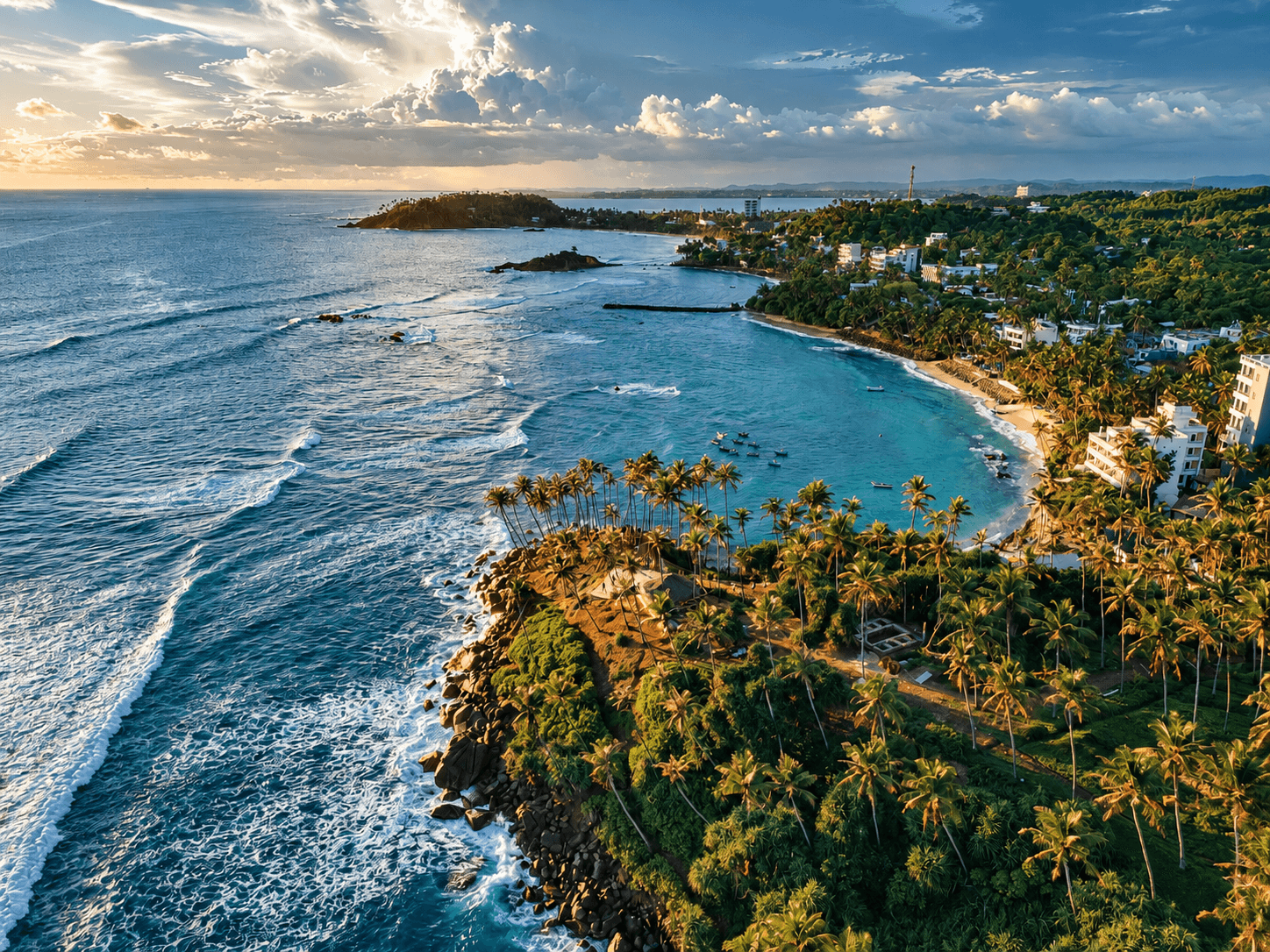
January and February are widely considered the peak months for the south and west coasts – Mirissa, Unawatuna, Galle and Bentota are at their absolute best. Whale-watching season is in full swing, seas are calm enough for snorkelling and the Galle Literary Festival draws visitors from around the world. Inland, Kandy, Sigiriya and the Cultural Triangle are also excellent at this time.
March and April bring Sri Lanka's hottest, driest weather before the south-west monsoon. Yala National Park is busy but at peak wildlife density because the dry conditions concentrate animals around water sources. It is also the most popular time for visitors from India coinciding with school holidays, so book early.
May to September – the south-west monsoon months – are ideal for exploring the east coast. Arugam Bay draws surfers from around the world between June and September, Trincomalee offers excellent diving from May to October, and the quieter north becomes accessible. Meanwhile, the hill country remains remarkably green and photogenic even during this period, with waterfalls at their most dramatic.
October and November mark the inter-monsoon transition. Seas can be unpredictable on both coasts, but inland destinations – Sigiriya, Polonnaruwa, Kandy and Ella – are beautiful and far less crowded than the peak winter months. This is a wonderful time for culture and history.
December is perhaps the most festive time to visit. The south and west coasts have cleared, Christmas and New Year bring an energetic atmosphere, and whale-watching season off Mirissa kicks off again. Hotel prices and flight costs are at their annual peak, so budget travellers may prefer November or January instead.
The Hill Country: Perfect Almost Year-Round
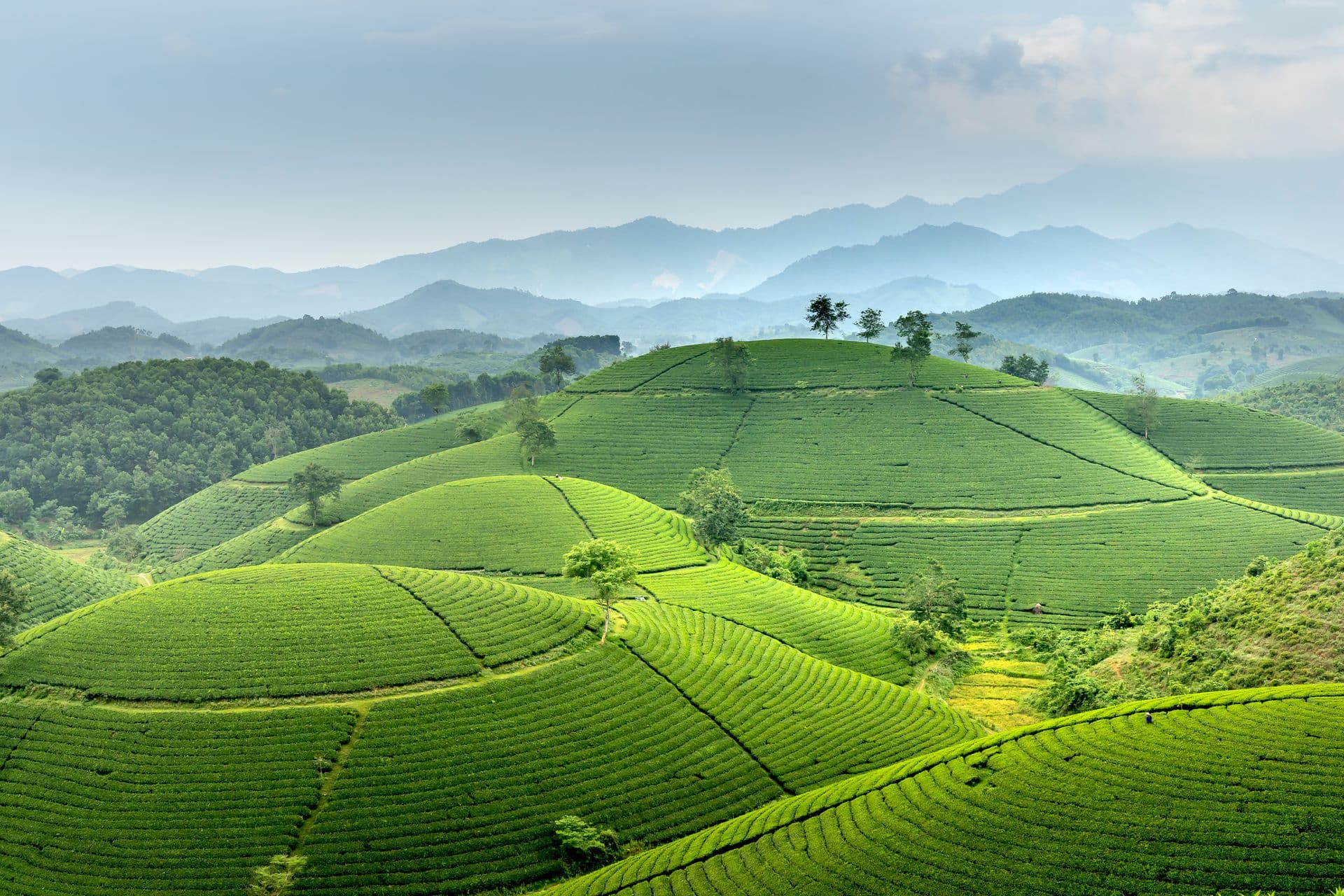
Kandy, Nuwara Eliya and Ella sit high enough in Sri Lanka's central mountains to enjoy a cooler, more temperate climate throughout the year. Even during monsoon months, mornings in the hill country are often crisp and clear, with clouds rolling in by early afternoon. This makes the hill country one of the most reliable regions to include in any Sri Lanka itinerary regardless of when you travel.
Quick Reference: Best Regions by Month
| Month | Best for |
|---|---|
| January – March | South coast, west coast, Kandy, Cultural Triangle, whale watching |
| April | Yala National Park (peak wildlife), hill country, south coast |
| May – September | East coast (Arugam Bay, Trincomalee), hill country, north |
| October – November | Cultural Triangle, hill country, budget-friendly off-peak |
| December | South coast, west coast, Galle, whale watching, festive season |
Our Honest Recommendation
If you can only go once and want to see as much of Sri Lanka as possible in one trip, aim for December to March. You will have reliable weather on the south and west coasts, good conditions inland and whale watching to look forward to in Mirissa. If flexibility is important and saving money matters, April and May offer the same itineraries at significantly lower prices just before the monsoon arrives.
No matter when you travel, Sri Lanka will find a way to reward you. The island is small enough – you can drive from the wettest point to a sunny beach in a few hours – that with a good local driver and a flexible itinerary, you will rarely have a wasted day.
More from theTravel Journal


Ready to ExperienceSri Lanka?
Tell us where you want to go, what you love and how long you have. We'll help turn it into a journey worth remembering.